Filteren

Verfijn je keuze in deze categorie. Zoeken op auteur, ISBN, title of trefwoord? Dat kan eenvoudig via zoeken bovenaan.

Staat
Prijsrange
  • Filter

    Reviews

    Gemiddelde score voor Boek2

    Goede communicatie,

    snelle levering en prima verpakt.

    Extra korting

    %

    Meer boeken is meer korting!

    • Vanaf 5 boeken
    • Vanaf 10 boeken
    • Vanaf 15 boeken
    • Vanaf 20 boeken
    • 5% korting
    • 10% korting
    • 15% korting
    • 20% korting

    The Populist Vision

    The Populist Vision

    Engels. Paperback. LET OP!. Veel potloodonderstrepingen. Een moeilijk te vinden boek. 

    The Populist Vision is about how Americans responded to wrenching changes in the national and global economy. In the late nineteenth century, the telegraph and steam power made America and the world a much smaller place. The new technologies also made possible large-scale bureaucratic organization and centralization. Corporations grew exponentially and the rich amassed great fortunes. Those on the short end of these changes responded in the Populist revolt, one of the most effective challenges to corporate power in American history. But what did Populism represent? Half a century ago, scholars such as Richard Hofstadter portrayed the Populist movement as an irrational response of backward-looking farmers to the challenges of modernity. Since then, historians have largely restored Populism's good name. But in so doing, they have sustained a romantic notion of Populism as the resistance movement of tradition-based and pre-modern communities to a modern and commercial society, or even a counterforce to the Enlightenment ideals of innovation and progress. Postel's work marks a departure. He argues that the Populists understood themselves as, and were in fact, modern people. Farmer Populists strove to use the new innovations for their own ends. They sought scientific and technical knowledge, formed highly centralized organizations, launched large-scale cooperative businesses, and pressed for state-centered reforms on the model of the nation's most elaborate bureaucracy--the Postal Service. Hundreds of thousands of Populist farm women sought education, employment in schools and offices, and a more modern life. Miners, railroad workers, and other labor Populists joined with farmers to give impetus to the regulatory state. Activists from Chicago, San Francisco, and other urban centers lent the movement an especially modern tone. Modernity was also menacing, as the ethos of racial progress influenced white Populists in their pursuit of racial segregation and Chinese exclusion. The Populist Vision offers a broad reassessment. Working extensively with primary sources, it looks at Populism as a national movement, taking into account both the leaders and the led. It focuses on farmers but also wage-earners and bohemian urbanites. It examines topics from technology, business, and women's rights, to government, race, and religion. At the dawn of the twenty-first century, business and political leaders are claiming that critics of their new structures of corporate control represent anti-modern attitudes towards the new realities of globalization. The Populist experience puts into question such claims about who is modern and who is not. And it suggests that modern society is not a given but is shaped by men and women who pursue alternative visions of what the modern world should be.
    Charles Postel ;

    € 4,50

    We Lived with Dignity

    We Lived with Dignity

    De Engelstalige editie. Linnengebonden met omslag, in excellente conditie.

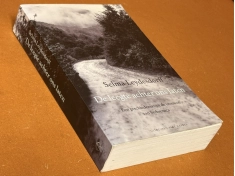
    In the first academic book to describe the life of poor Jews in Amsterdam between the two world wars, We Lived with Dignity captures in poignant detail the unique qualities of that city's Jewish ghetto before Hitler's reign of terror. Interviews with more than ninety survivors who shared memories of living conditions in the ghetto and their feelings about the tremendous changes they lived through create an oral history that has not previously been recorded in formal descriptions and archives. The research in this book raises questions and challenges assumptions about what the past was like and how it can be portrayed. Selma Leydesdorff suggests that oral history may not always be an accurate measure. Because memories about the period before the war are veiled by the massive slaughter of the Jews by the Germans, survivors often idealize their circumstances, burying under layers of romantic nostalgia the reality of hunger, poor housing, poverty and filth, unemployment, and a lack of social stability - precisely of the sort depicted in present-day literature about the old Jewish quarter. She found that the processing of practically every interview, every "fact", involved a struggle between reality, distortion, and myth. We Lived with Dignity contains more than people's stories. Leydesdorff confirms events, exposes the truth, and explains distortions by reference to other material. To bring order into the world she hears about, she frames her interviews with critical information including a summary of the historical, economic, and demographic relationships within which the Amsterdam Jewish proletariat lived; an explanation of the changes in living conditions and the conscious attempts thatwere made to help the Jews - a cultural and religious minority - adapt to what was regarded as "modern" or "progressive"; and a description of the culture of poverty, the strategies for survival that characterized it, and the apparent impossibility of escaping it. Of the 140,000 Jews living in the Netherlands in 1941, eighty percent died during World War II. Although there are no exact figures, it is generally assumed that the slaughter was worst among the proletariat. The devastation can be seen from the fact that there is no Jewish proletarian culture left at all. In this sense, Leydesdorff's study of the history of the Jewish proletariat of Amsterdam is also a study of the consequences of World War II, and of the nature of the destruction brought about by the Holocaust.

    Selma Leydesdorff ;

    € 15,00

    Juliana. Vorstin in...

    Juliana. Vorstin in een mannenwereld

    Gebonden met omslag, in zeer goede staat

    Juliana (1909-2004) was een door velen geliefde vorstin; niettemin weten we weinig van haar persoonlijk leven. Na een afgeschermde jeugd in de benauwenis van het hof en na haar opbloei tijdens haar verblijf in Canada gedurende de Tweede Wereldoorlog, waarbij ze zich veel actiever inzette voor de geallieerde zaak dan veelal wordt gedacht, begon Juliana in 1948 vol ambitie aan haar 'zware maar mooie' taak. De competente prinses werd evenwel algauw geconfronteerd met grote persoonlijke en politieke teleurstellingen en haar regeringsperiode werd getekend door een reeks van crises. Juliana's blijvende liefde voor prins Bernhard, die in 1936 als haar bevrijder uit de hemel was gevallen, werd haar achilleshiel. Hij bracht haar bijna ten val. Juliana was grillig en gretig; gelovig en goedgelovig. Gewoon was ze in elk geval niet. Ze moest functioneren in een wereld van zich vaak superieur voelende mannen. En zoals ze zich tegen allerlei andere conventies verzette, verzette Juliana zich van jongs af aan tegen de achterstelling van vrouwen. Niet eerder verscheen een zo uitgebreide, op wetenschappelijk onderzoek gebaseerde biografie van de vorstin die velen beschouwen als 'onze' koningin. Withuis kon haar werk baseren op brieven en ander nooit eerder gepubliceerd privémateriaal. Daarmee schreef ze niet alleen een intieme en indringende levensgeschiedenis, maar ook een portret van een veelbewogen eeuw.

    Jolande Withuis ;

    € 7,50
    Bezig met laden...
    close

    Favorietenlijst